How to Choose a Solar Installer in North Carolina Without Getting Burned
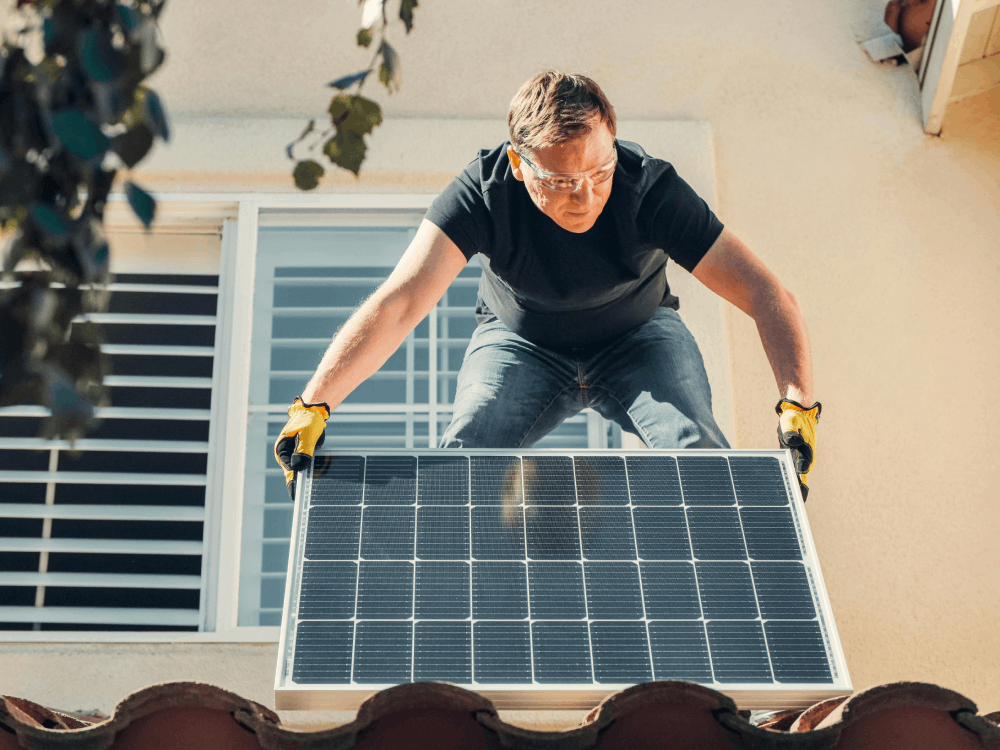
If you’re planning to go solar in North Carolina, choosing a trustworthy installer can make all the difference to your investment. With new companies popping up and incentives shifting rapidly, you’ll want to make sure you're not missing any crucial steps. It’s not just about finding the lowest price but about knowing what questions to ask, what red flags to spot, and how to protect your home and finances before signing any agreement.
Evaluating Installer Qualifications and Track Record
When evaluating solar installers in North Carolina, it is crucial to differentiate reputable companies from less reliable options. For example, exploring options from solar panel companies in North Carolina can provide insights into the growing solar market, verifying an installer's qualifications is essential for ensuring a satisfactory installation and long-term investment.
A primary indicator of professionalism is certification from the North American Board of Certified Energy Practitioners (NABCEP). This certification signifies that the installer adheres to established industry standards, which can reduce the risks associated with subpar installations.
Additionally, it is important to confirm that the installer possesses both a general contractor license and an electrical contractor license. Having these credentials ensures compliance with state regulations and demonstrates a level of expertise in handling both construction and electrical aspects of solar panel installations.
When assessing potential companies, it is advisable to request testimonials and reviews from residential and commercial clients who have had solar panels installed for five years or more. These past experiences can provide insights into the longevity and effectiveness of the installations, as well as the overall customer service provided by the installer.
Furthermore, a proven track record of successful projects, in-house engineering capabilities, and a commitment to customer service are critical factors to consider when making a selection.
This comprehensive approach can help ensure that the selected installer will meet your needs and protect your investment in the solar energy system.
Understanding Warranties and Product Guarantees
A thorough understanding of warranties and product guarantees is essential for safeguarding your investment in solar energy. When selecting a solar installer in North Carolina, it is important to assess the equipment warranties offered, which typically range from ten to twelve years.
Additionally, panel performance warranties generally extend over a period of five or more years. It is equally vital to ensure that guarantees encompass workmanship and the installation process itself.
Inquire about the company's track record, customer ratings, and response times for customer service inquiries. Evaluating testimonials and reviews can also provide insight into the reliability and performance of the installer.
Reputable installers tend to use brands that have established longevity and a solid market reputation. These considerations are critical in ensuring that your needs are met, contributing to savings on electric bills while managing overall costs, whether for residential or commercial panels.
Key Questions to Ask Potential Installers
Before engaging with a solar installer, it is essential to ask specific questions that can help assess the company's reliability and expertise. Verify that the company possesses a valid contractor license and employs installers certified by the North American Board of Certified Energy Practitioners.
It is also important to determine whether the company services both residential and commercial sectors.
Inquire about the management of the installation process; specifically, whether it is conducted in-house or subcontracted to general or electrical contractors. Request testimonials from previous clients, focusing particularly on installations completed five or more years ago to gauge long-term performance and customer satisfaction.
Additionally, discuss the installation process in detail, along with available customer service options, operations and maintenance (O&M) contracts, warranty terms, and post-installation support.
Ensure that you receive clear, itemized quotes that outline financing options, system efficiency ratings, total costs, and the company’s accreditations or endorsements from relevant regulatory boards. This information can provide valuable insight into the company’s capabilities and the quality of service you can expect.
Warning Signs During the Sales Process
Understanding the intricacies of the solar sales process is essential for making informed decisions. It is not uncommon for potential customers to encounter scenarios where the sales experience may feel expedited or ambiguous. Observing the demeanor and clarity of communication from prospective installers is crucial.
Certain warning signs can indicate less-than-ideal sales practices. For instance, the use of high-pressure sales tactics, ambiguous guarantees, and a lack of robust customer feedback in regions such as North Carolina and South Carolina may warrant caution.
It is advisable to seek out companies that can provide verifiable references and have a stable reputation established over a period of five years or more.
Additionally, effective customer service throughout the installation phase is essential. Prospective customers should be wary of installers who utilize a significant number of subcontractors or who do not conduct thorough monitoring services during installation.
A trustworthy installer will provide thorough explanations regarding system design, panel installation options, contractor licensing, and will openly discuss potential impacts on electric bills and total costs associated with the project.
Given these factors, conducting due diligence when selecting a solar installer can help mitigate risks and lead to a more satisfactory engagement in the solar industry.
Comparing Solar Quotes and Financing Options
When assessing solar quotes, it is essential to distinguish between a reasonable offer and an unwise choice. The process begins with obtaining at least three comprehensive estimates, as costs and system recommendations can vary significantly among providers.
Key factors for comparison include system size, design specifications, total installation cost, expected energy production, efficiency ratings, financing alternatives, and any applicable dealer fees.
In addition to these technical specifications, it is advisable to review customer testimonials, ratings, and the overall reputation of the service providers. Look for accreditations such as North American Board of Certified Energy Practitioners (NABCEP) certification or relevant licenses for general or electrical contracting, indicators of professionalism and expertise.
It is also prudent to inquire about guarantees offered, the company's track record over the past five years or more, their customer service approach, and available battery storage options.
Ensuring that all elements match your specific energy needs is crucial before making a final decision. This methodical approach will help mitigate risks associated with solar investment.
Leveraging Incentives and Rebates in North Carolina
Incentives are an important factor in enhancing the affordability of solar installations for homeowners in North Carolina. When selecting a solar installer or company, it is advisable to inquire about available financial incentives, including the 30% federal tax credit, net metering policies, property tax abatement, and local commercial rebates such as PowerPair’s offering of $9,000 for battery storage. These incentives have the potential to significantly reduce both upfront costs and long-term electricity expenses.
It is essential to ensure that the chosen installer offers transparent quotes and a variety of financing options. Additionally, a reputable installer should possess strong customer service credentials, along with at least five years of experience in the industry.
Potential customers are encouraged to review testimonials and client feedback regarding the design and installation process before finalizing their decision.
Overall, a thorough examination of these factors can support homeowners in making informed decisions regarding solar energy investments.
Conclusion
Choosing a solar installer in North Carolina doesn’t have to be overwhelming. If you carefully research credentials, compare quotes, assess warranties, and ask the right questions, you’ll avoid costly mistakes. Stay alert for warning signs during the sales process and make sure you understand local incentives. With this approach, you’ll find a reliable installer, secure a solid investment, and enjoy the long-term benefits of solar energy, knowing you made a well-informed decision for your home.